-

Managing Processing Challenges in the Community – A Guide from Therapy Point
27 April 2026 -

7 Fun and Effective Ways to Improve Handwriting Skills at Home
17 March 2025 -

How Art and Craft Support Children’s Skill Development at Therapy Point
28 April 2025 -
Unlocking the Benefits of School-Based Occupational Therapy for Your Child
25 May 2025
Blogs
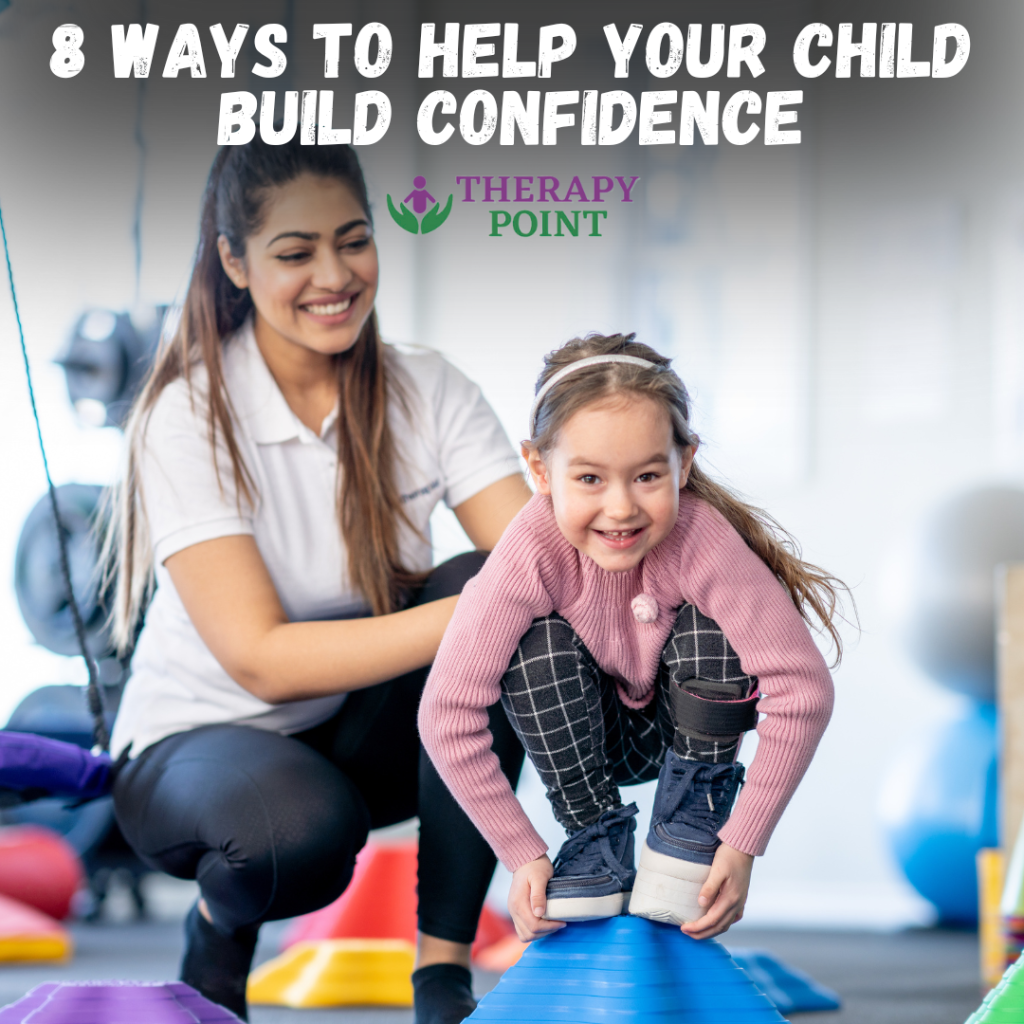
8 Ways to Help Your Child Build Confidence
Confidence is a crucial life skill that helps children embrace new experiences, tackle challenges, and navigate everyday situations with self-assurance. When kids feel confident, they are more willing to try new things, persevere through difficulties, and bounce back from setbacks. But confidence isn’t just about success—it’s also about developing resilience. Negative experiences, like failing a test, struggling in sports, or receiving criticism, can shake a child’s self-esteem. That’s why it’s important to nurture their confidence from an early age and equip them with the tools to handle life’s ups and downs. What Does a Confident Child Look Like? Confidence looks different for every child. Some kids are naturally outgoing, while others display their confidence in quieter ways. However, common traits of a confident child include: ✔️ A willingness to try new things ✔️ Persistence when facing difficulties ✔️ Comfort in making decisions independently ✔️ Taking appropriate risks without fear of failure ✔️ Resilience in the face of setbacks How to Support Your Child’s Confidence Growth 💡 1. Celebrate Every Milestone—Big or Small Acknowledge and celebrate your child’s efforts and achievements, no matter how small. Encouragement like, “I love how you kept trying even when it was hard!” can boost their confidence. Recognizing their personal strengths—not just measurable successes—helps them see their progress and value their own efforts. 💡 2. Let Them Experience Failure It may feel natural to shield your child from failure, but allowing them to struggle through challenges teaches them resilience. When they fail, remind them that mistakes are part of learning. This helps them develop perseverance and the mindset to keep trying. 💡 3. Avoid Comparisons Every child is unique, and comparing them to siblings or peers can lead to self-doubt and anxiety. Instead, focus on their individual strengths and encourage them to embrace their own journey. Teach them to celebrate others’ successes while recognizing their own progress. 💡 4. Set Goals That Feel Achievable Help your child set realistic, short-term goals that allow them to experience progress. Breaking big tasks into smaller steps makes achievements more tangible and builds confidence in their ability to succeed. 💡 5. Use Encouraging Language How we speak to children shapes the way they approach challenges. Instead of saying, “Let me do it for you,” try, “That looks tricky! What’s another way you could try?” This encourages problem-solving, resilience, and self-trust. 💡 6. Model Confidence and Self-Kindness Children learn by observing. Show them how you handle mistakes and challenges with a positive attitude. Use self-affirming language like, “I didn’t get this right the first time, but I’ll try again!” to teach them that setbacks are normal and manageable. 💡 7. Emphasize That Perfection Isn’t the Goal It’s important for kids to understand that no one is perfect—and that’s okay! Teach them to embrace mistakes as learning opportunities rather than failures. A simple phrase like, “Oops! I forgot something, but I can adjust and make it work,” helps normalize imperfections. 💡 8. Advocate for Their Needs A supportive learning environment is key to building confidence. If your child struggles in certain areas, work with teachers and caregivers to ensure they receive encouragement and positive reinforcement. Let them know that their challenges don’t define them—their perseverance does. Confidence isn’t something children either have or don’t have—it’s something that grows with time, encouragement, and experience. By giving them the right tools and support, you can help them build lifelong self-assurance. 👉 Need guidance in fostering your child’s confidence? We’re here to help! 📞 Call us at (130) 090 8054 📩 Email us at info@therapypoint.com.au #BuildingConfidence #ChildDevelopment #PositiveParenting #ResilientKids #GrowthMindset #TherapyPointAustralia
0 comments